Reusable Menstrual Pads: Geeta Solanki Answers the Most Common Questions Around Menstruation
In Conversation with Geeta Solanki: Answering Common Questions Around Reusable Menstrual Pads
Menstrual health is evolving. More women today are looking beyond conventional disposable products and exploring sustainable, affordable, and comfortable alternatives. Yet, questions remain.
How hygienic are reusable pads? Are they comfortable? Do they leak? How do you wash and store them?
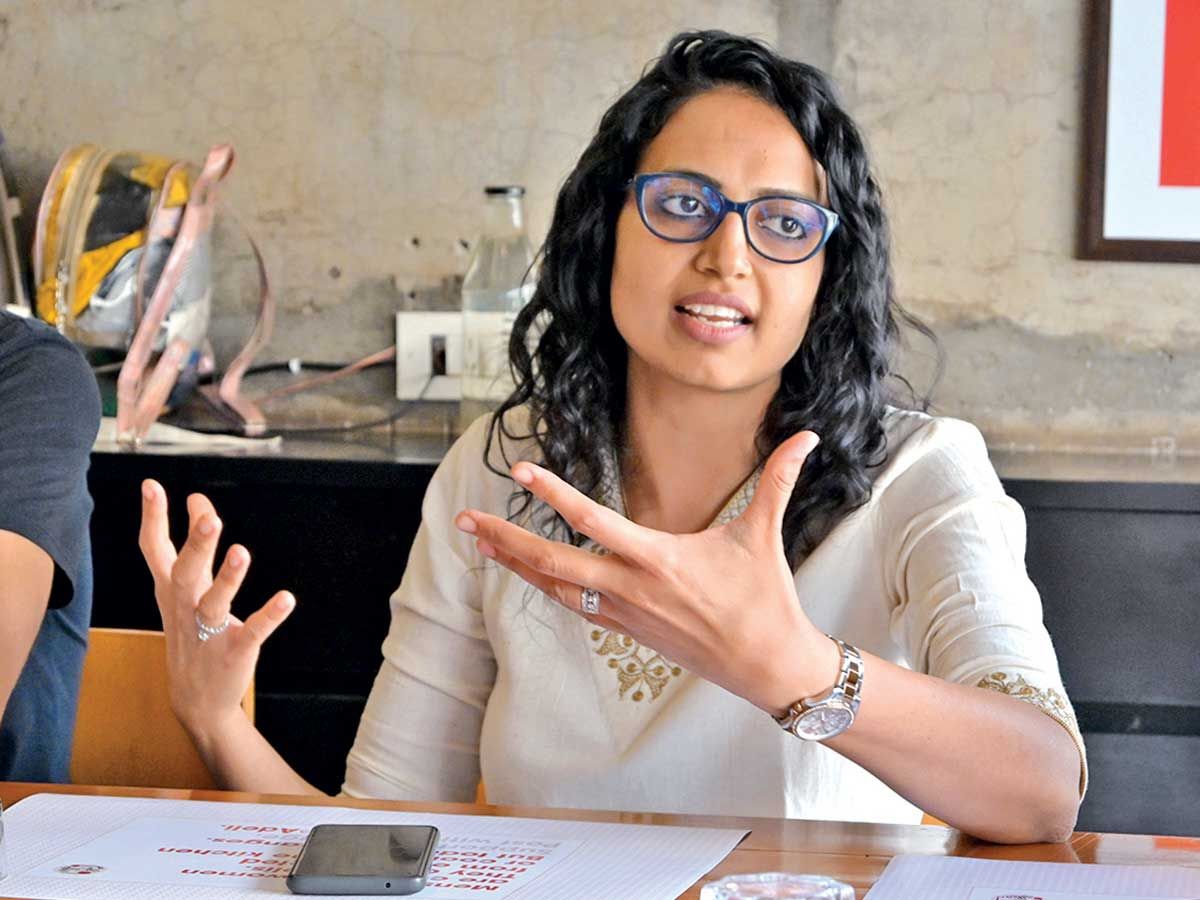
These were some of the questions discussed during an insightful conversation between Geeta Solanki, Founder of Unipads, and a practicing gynecologist who was curious to learn more about reusable menstrual products and their role in improving menstrual health outcomes.
The discussion highlighted some of the most common concerns women have when considering reusable menstrual pads and provided practical answers for those looking to make an informed choice.
Why Are More Women Considering Reusable Menstrual Pads?
For many women, managing periods is not just a health concern—it is also an economic and accessibility challenge.
Across India and many parts of the world, women continue to face barriers in accessing safe menstrual products. Some struggle with the recurring monthly expense of disposable pads, while others live in areas where menstrual products are not easily available.
Reusable menstrual pads offer an alternative that addresses both concerns. Designed to be washed and reused multiple times, they reduce recurring costs while providing a reliable menstrual hygiene solution.
More importantly, they help women manage menstruation with greater dignity, comfort, and confidence.
Are Reusable Menstrual Pads Hygienic?
One of the most frequently asked questions is whether reusable pads are hygienic.
The answer is simple: yes, when washed, dried, and stored properly, reusable menstrual pads are safe and hygienic to use.
Just like clothing, reusable pads require proper care. After use, they should be rinsed, washed with mild soap or detergent, dried thoroughly, and stored in a clean, dry place.
Proper drying is particularly important, as sunlight and fresh air help ensure that the pads remain fresh and ready for their next use.
Do Reusable Pads Leak?
A common misconception is that reusable pads are simply pieces of cloth.
Modern reusable menstrual pads are designed very differently. They typically include multiple absorbent layers along with a leak-resistant backing layer to help manage menstrual flow effectively.
When selected according to flow requirements and changed at appropriate intervals, reusable pads can provide reliable protection comparable to many conventional menstrual products.
Will They Stain?
Many first-time users worry about stains.
Like most fabrics, reusable pads can develop stains if not washed promptly. However, soaking and washing them soon after use significantly reduces the likelihood of permanent staining.
Even when minor discoloration occurs over time, it does not affect the pad’s performance, absorbency, or hygiene.
Are Reusable Pads Comfortable?
Comfort is one of the reasons many women choose reusable products.
Unlike many disposable products that contain synthetic materials, reusable pads are generally made from soft, breathable fabrics. This allows better airflow and can help reduce discomfort, irritation, and the feeling of heat often associated with prolonged pad use.
Many users report that reusable pads feel more natural and comfortable during daily activities, work, travel, and sleep.
How Long Do They Last?
The durability of a reusable menstrual pad depends on the quality of materials, frequency of use, and how well it is maintained.
A well-made reusable pad can typically withstand dozens of wash cycles while maintaining its effectiveness.
This extended lifespan makes reusable menstrual products a cost-effective option for women seeking a long-term menstrual care solution.
How Should Reusable Pads Be Washed?
One of the advantages of reusable pads is their ease of maintenance.
After use, the pad can be rinsed in cold water and washed either by hand or in a washing machine using mild detergent. Do not soak or wash in the hot water as it will set the stains.Harsh chemicals and bleach should generally be avoided, as they may affect the fabric and absorbency over time.
Once washed, the pad should be dried completely before being stored or reused.
What About Changing Pads While Outside the Home?
Many women are concerned about managing reusable pads while travelling, working, or attending school.
Most reusable pad users carry a small waterproof pouch or wet bag that allows used pads to be stored discreetly until they can be washed later.
This makes reusable products practical even for women with active lifestyles and long working hours.
Is Menstrual Hygiene More Important Than the Product Itself?
Absolutely.
Regardless of the menstrual product being used, maintaining good menstrual hygiene practices remains essential.
Some key recommendations include:
- Changing menstrual products regularly.
- Washing hands before and after changing a pad.
- Keeping the genital area clean and dry.
- Wearing clean undergarments.
- Storing menstrual products in a clean environment.
Good hygiene practices, combined with access to safe menstrual products, contribute significantly to overall health and wellbeing.
The Bigger Picture
For Geeta Solanki, reusable menstrual pads represent more than just a product category.
They are part of a larger movement towards menstrual dignity, informed choice, and sustainability.
Every woman has unique needs, preferences, and circumstances. The goal is not to promote one solution over another, but to ensure that women have access to options that are safe, affordable, and aligned with their lifestyle.
As conversations around menstrual health continue to grow, education remains the most powerful tool. When women are empowered with accurate information, they are better equipped to make choices that support their health, comfort, finances, and environment.
At Unipads, we believe that menstrual health begins with awareness, and every informed choice brings us one step closer to a world where periods are managed with dignity and without stigma.